Posted by Smith Matthew
Filed in Technology 39 views
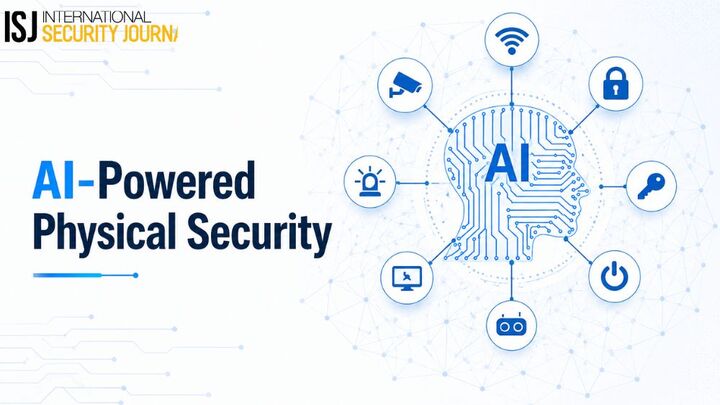
Physical security is no longer limited to guards, gates, and basic surveillance cameras. As threats become more complex and unpredictable, organizations are under increasing pressure to adopt smarter and more responsive solutions. From unauthorized access to suspicious behavior detection, modern risks require faster and more accurate decision-making. At the same time, the rise of smart technologies has transformed how security systems operate, making them more connected and data-driven.
Machine learning has emerged as a key driver of this transformation. By enabling systems to analyze vast amounts of data, learn from patterns, and adapt over time, it significantly improves how security threats are identified and managed. Unlike traditional systems that depend heavily on human monitoring, machine learning introduces automation and intelligence into security operations. This article explores how machine learning is reshaping security systems, its practical applications, benefits, challenges, and what the future holds for smarter protection strategies.
Machine learning in physical security refers to the use of advanced algorithms that allow systems to analyze data from cameras, sensors, and access control devices to identify patterns and make decisions. These systems do not rely solely on predefined rules. Instead, they learn from historical data and continuously improve their performance over time.
For example, a machine learning-enabled surveillance system can distinguish between normal daily activities and unusual behavior. It can identify patterns such as regular employee movement and flag anomalies like unauthorized access attempts. This capability makes security systems more proactive rather than reactive.
In modern environments, machine learning plays a central role in enhancing AI-powered physical security by enabling systems to detect threats faster, reduce false alarms, and automate responses. It allows organizations to move beyond passive monitoring and adopt intelligent systems that actively contribute to safety and risk management.
Physical security systems have evolved significantly over time, moving from manual processes to intelligent automation. Technological advancements have enabled faster detection, improved monitoring, and more reliable protection across various industries.
Early security depended on guards, locks, and manual patrol systems
CCTV cameras introduced visual monitoring but required constant human observation
Digital recording improved storage, retrieval, and remote access capabilities
Alarm systems and motion sensors added automated threat alerts
Integration of network-based systems allowed centralized control and monitoring
Cloud technology enabled scalable and flexible security management
The rise of AI-powered physical security introduced intelligent analysis and real-time decision-making
Machine learning works by analyzing large volumes of security data, identifying patterns, and making decisions based on learned behavior. It enables systems to detect threats, automate responses, and continuously improve performance.
Machine learning systems collect data from multiple sources, including surveillance cameras, motion detectors, and access control systems. This data is organized and processed to create structured information that algorithms can analyze effectively.
Once the data is processed, machine learning models identify patterns in behavior and activity. They learn what is considered normal within a specific environment, allowing them to detect deviations that may indicate potential threats.
By comparing live data with learned patterns, machine learning systems can identify unusual activities instantly. This enables faster alerts and responses, reducing the chances of incidents escalating into serious security breaches.
Machine learning systems can trigger automated actions such as sending alerts, locking doors, or notifying security personnel. This reduces reliance on manual intervention and ensures timely responses to potential threats.
Machine learning is transforming physical security by enhancing surveillance, improving access control, and enabling predictive analysis. These applications help organizations respond to threats more efficiently and maintain safer environments.
Machine learning enhances video surveillance by enabling systems to detect faces, objects, and behaviors. It can identify suspicious activities such as loitering or unauthorized entry, making monitoring more proactive and accurate.
Modern access control systems use machine learning to verify identities through biometric data such as fingerprints or facial recognition. This ensures that only authorized individuals can access restricted areas, improving security.
Machine learning algorithms analyze data from sensors to detect unusual movements or breaches. They can differentiate between real threats and harmless activities, reducing false alarms and improving system reliability.
Predictive analytics uses historical data to identify potential risks before they occur. Organizations can take preventive measures based on insights generated by machine learning, strengthening their overall security strategy.
Machine learning offers several advantages in physical security by improving efficiency, accuracy, and response times. It helps organizations enhance safety while reducing operational costs and reliance on manual monitoring.
Improved threat detection with fewer false alarms
Faster response times to security incidents
Continuous system improvement through learning and adaptation
Reduced need for constant human monitoring
Scalability for large and complex environments
Better integration with existing security technologies
Enhanced performance of AI-powered physical security systems
While machine learning provides many benefits, it also presents challenges. Organizations must address technical limitations, ethical concerns, and operational complexities to ensure successful and responsible implementation.
High initial investment and setup costs
Dependence on large and high-quality datasets
Privacy concerns related to data collection and monitoring
Risk of bias in algorithm decision-making
Complexity in integrating with legacy systems
Requirement for skilled professionals to manage systems
Vulnerability to cyber threats and data breaches
Machine learning is widely used across industries to improve physical security. Real-world applications demonstrate how intelligent systems enhance monitoring, prevent incidents, and provide more efficient security solutions.
Airports using facial recognition for faster passenger verification
Retail stores detecting suspicious behavior to prevent theft
Smart cities monitoring public areas to improve safety
Corporate offices implementing biometric access systems
Manufacturing facilities using predictive analytics to reduce risks
Financial institutions enhancing surveillance for fraud detection
Deployment of AI-powered physical security in critical infrastructure protection
The future of machine learning in physical security is driven by innovation and technological advancements. Emerging trends will further enhance automation, improve accuracy, and create more intelligent and connected security systems.
Increased use of edge computing for faster data processing
Integration with IoT devices for connected security ecosystems
Advancements in facial recognition and behavioral analysis
Growth of predictive and prescriptive security analytics
Expansion of cloud-based security platforms
Stronger focus on data privacy and ethical AI practices
Wider adoption of AI-powered physical security solutions across industries
Implementing machine learning in security requires a strategic approach. Organizations must follow best practices to ensure systems are effective, reliable, and aligned with their overall security objectives.
Define clear security goals and requirements before implementation
Use high-quality and diverse data to train machine learning models
Ensure compliance with data protection and privacy regulations
Regularly monitor and update system performance
Train employees to manage and operate advanced security systems
Integrate machine learning with existing infrastructure smoothly
Continuously evaluate and improve security strategies over time
Machine learning is transforming modern physical security by introducing intelligence, automation, and adaptability into traditional systems. It enables faster threat detection, reduces human error, and improves overall efficiency. As security challenges continue to evolve, adopting advanced technologies becomes essential for organizations aiming to stay protected and competitive.
The growing importance of AI-powered physical security highlights the need for smarter and more proactive approaches to safety. By leveraging machine learning, businesses can build resilient systems that adapt to changing risks and deliver long-term value. Insights from International Security Journal emphasize that embracing innovation is key to achieving future-ready security solutions.
1.What is machine learning in physical security?
Machine learning in physical security involves using algorithms to analyze data from surveillance and security systems to detect patterns, identify threats, and improve decision-making over time.
2.How does ML improve surveillance systems?
It enhances surveillance by enabling real-time threat detection, reducing false alarms, and identifying unusual behavior automatically without constant human monitoring.
3.Is machine learning security expensive?
While initial setup costs can be high, the long-term benefits such as improved efficiency, reduced labor costs, and enhanced security make it a valuable investment.
4.What industries benefit the most?
Industries like transportation, retail, banking, healthcare, and smart cities benefit significantly from machine learning-based security solutions.
5.What are the risks of using ML in security?
Risks include data privacy concerns, potential algorithm bias, system vulnerabilities, and the need for skilled professionals to manage and maintain the technology.



