Posted by Shankar Distillers LLC
Filed in Other 6 views
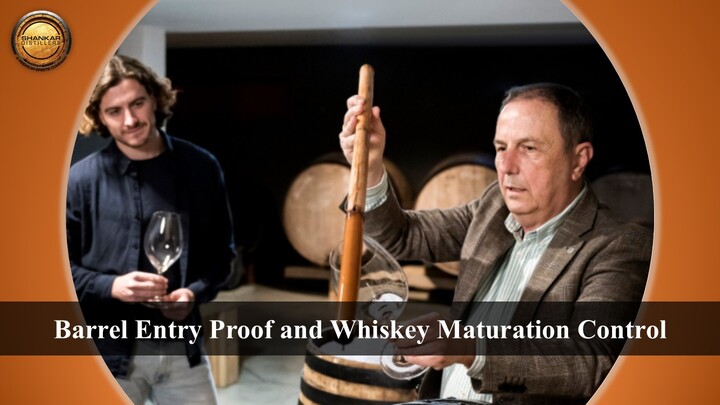
Barrel entry proof optimization directly affects how alcohol and water interact with oak during maturation. Lower entry proofs favor the extraction of wood sugars, vanillins, and caramelized compounds, while higher entry proofs enhance the extraction of tannins, spice compounds, and lignin-derived elements. Optimizing barrel entry proof by whiskey style allows distillers to control flavor balance, mouthfeel, aging efficiency, and long-term stability, ensuring consistent quality and stylistic integrity throughout maturation.
Introduction: Why Barrel Entry Proof Matters in Whiskey Maturation
Barrel entry proof is one of the most influential yet often misunderstood levers in whiskey maturation. It determines how ethanol and water act as solvents inside the barrel, shaping extraction rates, oxidation pathways, and concentration dynamics over time. While grain selection and barrel type define potential flavor, barrel entry proof decides how that potential is unlocked during aging.
In advanced production environments, including operations aligned with Shankar Distillers – Premium Whiskey Distillery in USA, barrel entry proof optimization is treated as a precision-driven variable rather than a regulatory formality. Different whiskey styles respond uniquely to proof levels, making this decision critical for achieving targeted sensory outcomes without over-aging or imbalance.
Understanding Barrel Entry Proof: A Technical Overview
What Is Barrel Entry Proof?
Barrel entry proof refers to the alcohol strength of new-make spirit at the moment it enters the barrel for maturation. This proof governs solvent polarity, influencing which chemical compounds are extracted from oak and at what rate.
Ethanol vs Water as Extraction Agents
Optimizing this balance is the foundation of barrel entry proof strategy.
Chemical Extraction Curves Inside the Barrel
Early-Stage Extraction (Years 0–2)
At higher barrel entry proofs, extraction curves spike rapidly, especially for tannins and wood-derived aldehydes. This can accelerate color development but risks astringency if unmanaged.
Lower entry proofs demonstrate smoother early extraction curves, emphasizing sweetness and viscosity without aggressive oak dominance.
Mid-Maturation Phase (Years 3–6)
During this stage, oxidation and esterification become dominant. Entry proof influences:
Balanced entry proof allows chemical curves to plateau gradually, promoting harmony rather than sharp flavor spikes.
Long-Term Maturation (7+ Years)
Higher proofs tend to retain structure but risk dryness over extended aging. Lower proofs support rounded profiles but may lose intensity if aging extends too long.
Barrel Entry Proof Optimization by Whiskey Style
Straight Bourbon Whiskey Profiles
Bourbon mash bills rich in corn benefit from lower to mid-range barrel entry proofs. This encourages:
For Premium Straight Bourbon Whiskey, optimized entry proof allows natural sweetness to remain dominant while still extracting oak complexity over time.
Straight Rye Whiskey Profiles
Rye’s high phenolic and spicy grain character responds well to slightly higher barrel entry proofs. This enhances:
In Premium Straight Rye Whiskey, higher entry proof supports boldness while controlled maturation prevents harshness.
High-Rye and Specialty Mash Bills
Hybrid mash bills demand precision. Slight misalignment in entry proof can magnify bitterness or mute aromatics. Optimization here focuses on balancing ethanol-driven spice with water-driven sweetness.
Influence on Mouthfeel and Texture Development
Barrel entry proof significantly impacts glycerol perception and perceived viscosity. Lower proofs generally yield:
Higher proofs develop:
Strategic proof selection ensures texture aligns with brand and style expectations.
Climate Interaction and Proof Strategy
Warm Maturation Environments
Higher temperatures accelerate extraction. In such conditions:
Cooler Maturation Environments
Slower chemical movement allows:
Entry proof must be aligned with warehouse climate to avoid flavor distortion.
Proof Drift and Concentration Dynamics
As whiskey matures, alcohol and water evaporate at different rates. Barrel entry proof sets the trajectory for:
Optimized entry proof minimizes excessive correction later in the process.
Sensory Consistency and Brand Control
Consistent barrel entry proof supports:
This consistency is critical for maintaining trust across premium expressions and curated visitor experiences such as Premium Whiskey tasting rooms, where flavor reliability directly influences brand perception.
Regulatory Considerations Without Compromising Quality
While legal maximums define upper limits, elite producers treat these as boundaries, not targets. True optimization occurs well below regulatory ceilings, guided by sensory data, chemical analysis, and long-term aging goals.
Strategic Role in Modern Whiskey Programs
Barrel entry proof optimization has become a cornerstone of advanced maturation programs. It allows producers to:
This approach is increasingly adopted by forward-thinking producers such as Shankar distillers – one of the whiskey distillers in the USA, where technical precision underpins premium positioning.
Overall Conclusion
Barrel entry proof optimization is not merely a technical parameter—it is a strategic maturation decision that defines how whiskey evolves over time. By understanding chemical extraction curves, solvent behavior, and environmental interaction, distillers can tailor maturation outcomes to specific whiskey styles with remarkable precision. Lower proofs enhance sweetness and approachability, while higher proofs support structure and longevity. When aligned correctly, barrel entry proof becomes a powerful tool for achieving balance, consistency, and stylistic clarity across bourbon, rye, and specialty expressions, ultimately shaping the final identity of world-class whiskey.
Useful Links



