Posted by Olivia Miller
Filed in Arts & Culture 77 views
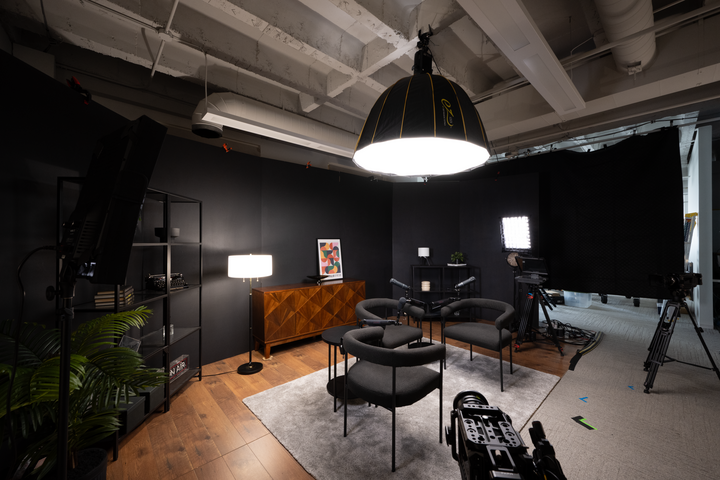
Podcasts are everywhere these days. You’ve got shows about everything—true crime, business tips, niche hobbies you didn’t even know existed. But here’s the thing: the quality of the podcast isn’t just about the host’s personality or their storytelling chops. It’s about the space they record in. A good Houston podcast studio can make the difference between a show that sounds like a polished radio hit and one that sounds like you’re listening through a tin can.
Let’s be honest. You can have the wittiest host or the most gripping story, but if your audio is messy, listeners bail. Background noise, echo, inconsistent levels—it all chips away at the experience. That’s why picking a podcast studio isn’t just about renting a room with a microphone. It’s about a controlled environment where sound is king.
In a professional studio, walls aren’t just walls—they’re acoustic treatments, foam panels, soundproofing that keeps the hum of city traffic, air conditioners, and barking dogs out of your recordings. A Houston podcast studio does all that. You walk in, sit down, hit record, and for the next hour, nothing messes with your audio. The listener doesn’t think about this, but subconsciously, they notice the difference. Clean, crisp sound keeps people listening.
I’ve heard podcasters brag about their “fancy mic” like that’s all that matters. Wrong. Equipment in a studio is about synergy. It’s the mic, the mixer, the preamps, the headphones, the software. Everything has to play nice together.
A professional Houston podcast studio usually has a few mic options, so you can pick one that fits your voice type. Some podcasts are intimate—like you’re whispering secrets to your listeners. Others are booming, loud, and full of energy. Good studios know what mic, what room setup, what gain levels get that exact vibe. And yeah, they’ll even show you how to avoid that horrible “popping P” sound or the sibilance that makes you want to claw your ears out.
Here’s where people get lazy. They think “any quiet room works.” Nope. Listener engagement isn’t just content—it’s atmosphere. A podcast studio Austin or Houston studio that’s been designed for actual recording gives hosts the space to move, gesture, even mess around a bit without creating weird sounds.
Imagine a cramped corner. You’re hunched over a mic, uncomfortable, checking your phone between takes. That tension seeps into the audio. Listeners can’t put a finger on it, but they feel it. Compare that to a studio where you have room, a comfortable chair, maybe a couch for guests, good lighting if you’re recording video. Suddenly, your energy changes, your delivery flows better, and your audience picks up on it. Engagement isn’t just what you say—it’s how you feel while saying it.
Let’s be blunt. Not everyone is a tech wizard. You could drop a small fortune on a microphone and mixer, but without knowing what the knobs do, you’ll end up with a mess. A professional podcast studio Austin or Houston one usually has someone around who gets it. They tweak levels, adjust EQ, fix headphone bleed, monitor recordings. You don’t have to worry about it. You just focus on the conversation, the jokes, the storytelling.
This is huge when you’re thinking long-term. If you’re recording weekly or doing multi-episode projects, the last thing you want is a technical glitch ruining hours of content. Studios handle the grunt work so you don’t have to.
A good studio isn’t just a room—it’s a creative space. Hosts often bring guests, and sometimes, guests are nervous or distracted. The right environment makes them feel at ease. Comfortable seating, water on hand, maybe even a whiteboard to sketch ideas—these little things impact how dynamic your episode feels.
Some studios also provide collaboration tools. Want to bring in a remote guest? They’ve got it set up. Want to record video for social media clips? Done. This flexibility encourages experimentation, which leads to more engaging content. Listeners pick up on enthusiasm. They can hear it.
Even if you nail recording, post-production can make or break engagement. Many podcast studios handle editing, leveling, noise reduction, even adding intros and outros. This is where the show starts to sound “pro.” But here’s the kicker—you still have your personality intact. The goal isn’t sterilized audio—it’s polished audio that still feels human.
A studio that understands both technical perfection and the natural, slightly messy energy of a live conversation is gold. That’s what makes listeners stick around. They feel like they’re part of the moment, not just hearing someone read a script.
Not all studios are created equal. Some are overkill if you’re just doing a casual weekly podcast. Others might be too barebones for a full production with multiple guests. The sweet spot is finding a Houston podcast studio or Austin option that matches your vision, budget, and style.
Check their past work. Sit in on a session if possible. Ask about the gear, the room setup, the support. Think about your audience. If your listeners care about clear audio, uninterrupted conversation, and energy that comes through the mic, don’t cut corners.
At the end of the day, a podcast studio isn’t just a space with a mic. It’s a tool for crafting experiences. From acoustics to gear, from comfort to support, every little thing adds up. A Houston podcast studio or a podcast studio Austin isn’t a luxury—it’s an investment in your listeners’ experience.
If you want people to actually listen, to stick around, to come back week after week, treat your environment seriously. You might think it’s just background, but it’s the invisible hand guiding your show’s energy. And trust me, your audience notices, even if they can’t quite say why.
Pick the right space. Record with intention. Let your voice shine. That’s how you turn a simple idea into an engaging, memorable podcast.



