Posted by Olivia Miller
Filed in Other 67 views
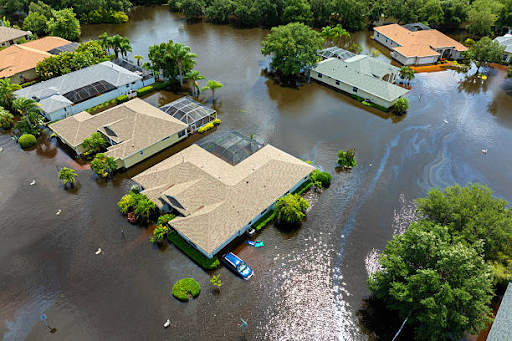
Most folks don’t think about flood insurance until a storm is already spinning out in the Gulf or the sky looks the wrong kind of gray. And by then, it’s usually too late. So let’s talk about it now—calm skies, nothing dramatic. Somewhere in this conversation, I’ll get into wright flood insurance florida, because that’s a big one people ask me about, but first let’s just walk through the real stuff you need to know before you sign your name on anything.
Here’s the blunt truth: weather is getting weirder. Hotter oceans, heavier rain, random storms picking fights with quiet neighborhoods. Flooding isn’t just a “coastal problem” anymore. I’ve seen people miles inland get blindsided by water coming up from nowhere—creeks, drainage systems, even just oversaturated ground.
So buying a flood policy isn’t overkill. It’s smart. And honestly, it feels better knowing you’re covered rather than hoping nature decides to be polite this year. Florida especially? Yeah… you want to be ready. And if you’re looking at something like wright flood insurance florida, or a similar private option, you’re already thinking ahead.
A lot of people think flood insurance works like regular homeowners insurance. It doesn’t. Not even close. Flood policies are pretty stiff about what they will and won’t cover.
For example, they’ll cover structural damage—your walls, floors, foundation. That kind of thing. But personal belongings? Depends on the policy. And basement stuff? That’s a whole different argument. Some policies barely cover anything below ground level.
It’s not fun to dig through fine print, I know that. But this is the one time you actually should. You don’t want to find out after a storm that your flooring isn’t covered because the adjuster decided it counted as something “not technically included.” That wording can bite you later.
People gloss over this part because it sounds boring. FEMA maps, flood zones, risk categories—it feels like homework. But this tells you everything about what you’ll pay and how soon you can get covered.
If you’re in a high-risk zone (often called Special Flood Hazard Areas), your premiums will reflect that. Not trying to scare you, just being honest. But if you’re in a moderate or low-risk area, you might qualify for cheaper options, including private policies. The trick is not assuming you “must” be in one type or another just because you’ve never seen water rise on your street. Flood zones change. A lot more often than people think.
Quick heads up: some zones require mandatory insurance if you have a mortgage. Banks love their rules.
Here’s something people miss until it hurts—flood insurance doesn’t start right away. Most policies have a 30-day waiting period. Not 3 days. Not a week. Thirty.
Private carriers sometimes have shorter waits, but even then, it’s rarely immediate. If you think you can buy a policy because a tropical storm is announced next Thursday… yeah, no. It won’t kick in on time.
That’s why people get stuck without coverage after a big storm season. They try to play catch-up. Flood insurance just doesn’t work that way.
This is where things get a little twisted because there are two main paths: the federal government’s NFIP program and private insurers. Each has pros and cons.
NFIP (the government one):
Pretty stable pricing
Fewer surprises
But coverage limits are kind of rigid
And claim payouts can be slow
Private carriers:
Higher or more flexible coverage
Faster claims—most of the time
Pricing is based heavily on your property’s risk
This is also where you’ll start hearing more about flood insurance companies florida. Florida’s market is crowded—lots of carriers, all promising they’re the best. Some really are solid. Others, well… they might disappear after one rough hurricane season. So pay attention to company history. See how long they’ve been in the flood game. Look up reviews, real ones, not the polished 5-star wonders.
Most people underestimate how expensive repairs are. I’m talking jaw-dropped-open expensive. A few inches of water can chew up floors, walls, electrical systems, appliances… and that’s the nice version. The rough version? Entire first floors gutted.
If your policy only covers up to $100,000 or $250,000, ask yourself if that would actually rebuild your home. Multiply everything by two. Maybe three. Construction prices are wild right now, and materials aren’t getting cheaper.
It’s the worst feeling to be “technically insured” but still thousands short when it’s time to rebuild. So yeah, check your limits. Don’t guess.
I’ve seen people choose the highest deductible just to get the cheapest premium. Sounds smart until the water starts rising and suddenly they owe $10,000 before insurance even pays for a single broken tile.
You want a deductible you can realistically afford. One you can pull from savings without panicking. Don’t set yourself up for a headache trying to save a few dollars a month. Future-you will appreciate this.
Not glamorous, but these questions make a huge difference:
Does my policy cover temporary housing if my home is unlivable?
What exactly isn’t covered? (This list is usually longer than what IS covered.)
How do claims work—fast, slow, confusing?
Do I need elevation certificates or extra documents?
How much more will rates go up later?
Insurance companies love surprises. You won’t.
Everyone cares about price. Almost nobody cares about claims until they need one. A cheap policy with a terrible claims department is more painful than paying a little extra upfront for a company that actually answers the phone when your living room is underwater.
If you want to know what a carrier is really like, look at reviews from people who actually filed claims. That’s where the truth is.
Buying a flood policy isn’t fun. It’s not exciting. No one talks about it at dinner. But it matters—and getting it right matters even more. Whether you’re considering a private carrier, something like wright flood insurance florida, or weighing options from larger flood insurance companies florida, the goal is simple: get a policy that truly protects your home, not just one that looks good on paper.
Read the details. Ask the uncomfortable questions. Think ahead—not just to the next storm, but to what rebuilding would actually cost you.
Flood insurance isn’t about fear. It’s about being prepared, calm, and one step ahead of whatever the weather decides to throw your way. And trust me, that kind of peace is worth every minute you spend figuring this stuff out.



