Posted by Olivia Miller
Filed in Business 74 views
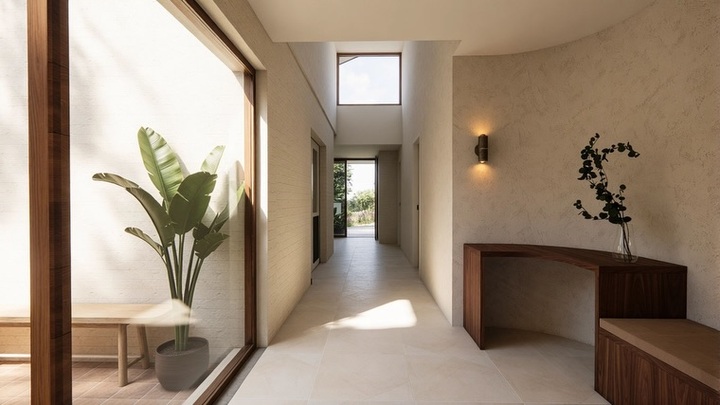
People used to build homes just to make them bigger. Bigger kitchen. Bigger hallway. Pointless extra lounge nobody sits in. That was the thing for years around Melbourne’s outer suburbs. But it’s changing now. Fast, honestly. A lot of Builders in Melbourne West are seeing clients ask different questions than they did five years ago. Less about flashy stuff. More about comfort, energy bills, insulation, and sunlight. The practical things that actually matter once you move in and live there through winter. And yeah, some builders were slow to catch up. Happens in every industry. But homeowners are paying attention now because running costs keep climbing, and badly designed homes become annoying real quick. Cold rooms, overheating upstairs, drafts near windows. You notice all of it eventually. People want homes that feel stable. Quiet too. Not just pretty in listing photos. That shift toward better-performing houses isn’t some trend pulled from social media. It’s becoming standard thinking, especially for younger families building long-term homes.
Money talks. Always has. A lot of homeowners started caring about efficient construction after seeing power bills get ridiculous during extreme summers and freezing winters. It’s not complicated. If a house leaks air everywhere, your heating and cooling system works harder. You pay for it month after month. Simple. That’s one reason smarter home layouts matter more now than fancy finishes. Orientation, insulation, glazing, ventilation — these things actually affect daily life. You can have expensive stone benchtops and still feel miserable inside a badly built house. Happens all the time. Good builders understand this already. They’re thinking beyond cosmetic upgrades. They’re looking at thermal performance from the start instead of treating it like an afterthought. That changes the entire construction process, honestly. Materials matter. Window placement matters. Even rooflines matter more than people think. The best homes don’t just look clean from the street. They work properly in real weather. That’s what buyers are slowly catching onto now.
There’s this weird thing people notice after moving into well-designed homes. The air feels different. Hard to explain until you experience it yourself. Less stale. More balanced. Rooms hold temperature better without needing constant heating blasting in the background. That’s not luck. That’s design doing its job. A lot of older builds around suburban growth corridors were thrown together too quickly. Speed mattered more than performance. You ended up with homes that looked modern but felt uncomfortable half the year. That’s why more conversations now revolve around healthier living environments instead of pure aesthetics. The push toward a Sustainable Home Melbourne approach is part of that bigger picture. It’s not just about environmental responsibility anymore, though that matters too. People want homes that support everyday living without creating constant maintenance headaches or massive energy costs. Better airflow, smarter insulation, reduced condensation — these details sound boring until you actually live with the benefits. Then suddenly, they become everything.
For years, some builders focused too heavily on speed. Get the slab down. Frame it fast. Move on to the next project. Quantity over care, basically. But homeowners are more informed now. They research. They compare. They ask sharper questions during consultations. Honestly, builders had to evolve a bit because clients stopped accepting shortcuts so easily. Experienced Builders Melbourne West understand that long-term durability matters more than surface-level trends. Nobody cares about trendy tapware once moisture problems start appearing inside walls. That’s the stuff people remember. Poor insulation. Cracks. Drafts. Noise transfer between rooms. Practical construction isn’t glamorous, but it matters more than marketing brochures. Better sealing methods, quality insulation products, and stronger framing decisions; those things affect how the home performs ten years later. Smart clients know this now. They’d rather invest upfront than spend years fixing preventable issues. Makes sense, really. Cheap builds rarely stay cheap forever. There’s usually a cost waiting somewhere down the line. Usually several.
Some people still hear “sustainable housing” and picture expensive eco-homes hidden in the bush somewhere. That idea’s outdated. Sustainable construction today is far more practical and, honestly, more normal than people realize. It’s become part of mainstream residential building because it simply works better. A Sustainable Home Melbourne project often includes passive heating principles, efficient insulation systems, airtight construction methods, water-saving features, and smarter material choices. None of that feels radical anymore. It feels logical. Especially when Melbourne weather swings wildly between seasons. The interesting part is how these homes reduce stress long-term. Lower running costs help families financially. Better temperature stability improves comfort. Durable materials reduce maintenance issues. You’re basically building a house designed to cope better over time instead of slowly deteriorating under constant weather pressure. That’s a pretty practical investment when you think about it. People aren’t chasing perfection. They just want homes that function properly without draining money every single month.
Building in Melbourne’s western suburbs comes with its own challenges. Soil conditions vary. Wind exposure changes across estates. Summer heat hits hard in newer developments with limited mature trees. A generic approach to construction usually fails eventually because local conditions matter more than builders sometimes admit. That’s why experienced local teams tend to deliver better outcomes. They understand council expectations, climate conditions, material performance, and site-specific planning issues. There’s less guessing involved. That local experience becomes valuable when projects get complicated or budgets tighten unexpectedly. A lot of builders in Melbourne West are adapting designs specifically for local environmental pressures now. More shading solutions. Smarter ventilation pathways. Better glazing selections. Small adjustments make massive differences once families actually move in. And honestly, homeowners notice when builders understand the area properly versus using copy-paste floor plans from somewhere completely different. Houses should respond to their environment. Sounds obvious, but not every project gets designed that way, unfortunately.
There’s a difference between a house that photographs well and one that genuinely ages properly over twenty years. Social media blurred that line a bit. Everyone became obsessed with visual trends. Black fixtures. Sharp edges. Minimalist everything. Some of it looked great online but aged badly in real life. Now homeowners are becoming more cautious. They’re asking how materials perform over time instead of just how they look during handover week. Smart question, honestly. Some cheap finishes deteriorate fast under harsh Australian conditions. Heat exposure alone destroys certain products more quickly than expected. That’s another reason sustainable construction keeps growing. It usually prioritizes durability and long-term performance over quick cosmetic wins. A proper Sustainable Home Melbourne build focuses on resilience. Strong insulation. Better moisture control. Efficient systems that don’t constantly fail. These things aren’t exciting dinner party topics, sure. But they absolutely affect the quality of life after the excitement of moving in fades away. Real comfort beats trendy design gimmicks every time.
Building costs aren’t cheap anymore. Everybody knows that. Materials increased. Labour costs climbed. Timelines stretched. So naturally, homeowners expect more from the finished product. They’re less willing to tolerate poor workmanship or inefficient design decisions because the financial commitment feels bigger than ever. That pressure has forced parts of the industry to improve. Some builders adapted well. Others didn’t. The ones succeeding now usually focus on build quality, transparency, and performance-based design instead of flashy sales tactics. People can spot shallow marketing more easily these days. Clients also ask tougher questions about sustainability because long-term ownership costs matter more now. Efficient homes provide better value over time. Lower utility bills. Reduced maintenance. Better resale appeal, too. Buyers increasingly notice energy performance during property searches, especially younger families planning permanent homes instead of short-term investments. That shift probably won’t reverse anytime soon either. Efficient construction has moved beyond niche demand. It’s becoming a genuine expectation across many new residential projects around Melbourne.
Most people don’t wake up excited about thermal mass or cross ventilation. Fair enough. But they absolutely notice when a house feels comfortable year-round without constant mechanical heating and cooling. That’s where passive design quietly changes daily life without demanding attention. Good passive design works in the background. Sunlight enters strategically during winter. Heat gets blocked during the summer. Air moves naturally through the home. Rooms stay more stable across changing temperatures. You stop fighting your house all the time. Sounds small, but it affects mood more than people realize. Many builders in Melbourne West are incorporating these ideas naturally into newer residential projects because homeowners are asking for practical comfort rather than oversized empty spaces. And honestly, passive principles aren’t complicated science experiments. They’re just thoughtful building decisions based on climate responsiveness. Build smarter, not bigger. That’s becoming the mindset now. Finally, maybe. Took the industry long enough in some areas, if we’re being honest about it.
The future of residential construction probably won’t be dominated by giant display homes packed with unnecessary extras. People are getting more practical. More cautious, too. They want homes that feel good to live in every single day, not just during inspections or Instagram walkthroughs. That’s why Sustainable Home in Melbourne projects continue gaining momentum across growing suburbs. Comfort matters. Efficiency matters. Durability matters. Homeowners are thinking longer-term because housing costs demand smarter decisions now. And builders who understand that shift will likely stay ahead, while others struggle to adapt. The interesting thing is, this movement toward smarter homes feels less like a trend and more like common sense finally catching up with construction. Better insulation. Better orientation. Better material choices. None of it should’ve been revolutionary in the first place. But here we are. At the end of the day, people just want homes that work properly. Warm in winter. Cool in summer. Affordable to run. Quiet enough to relax in. Honestly, that’s not asking too much.



