Posted by Olivia Miller
Filed in Business 105 views
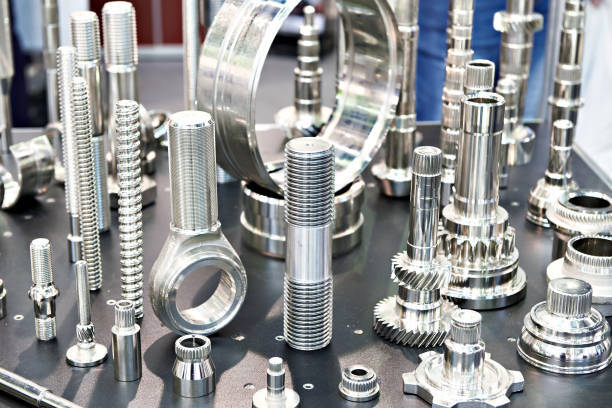
Most people never notice fasteners until something breaks. That’s kind of the reality. A bolt, screw, or precision pin looks small and forgettable sitting on a table, but inside aerospace systems, medical equipment, and industrial machinery, those tiny components quietly hold entire assemblies together. That’s why fastener specialties manufacturing matters way more than outsiders realize. One weak thread or dimensional mistake can create serious failures later under stress. And honestly, modern industries don’t tolerate inconsistency anymore. Customers expect perfect fitment every time. No excuses. Precision fastener production became a whole different level of manufacturing because tolerances keep tightening while product designs keep shrinking. Medical devices need miniature components. Aerospace systems demand lightweight strength. Electronics manufacturers want smaller assemblies packed tighter than ever. Fasteners now handle vibration, heat, pressure, corrosion, and constant movement all at once. Small parts. Huge responsibility. Good manufacturers understand that precision matters long before final products ever reach customers or enter real-world operating conditions.
A lot of manufacturing failures don’t suddenly appear during final product testing. They start much earlier during component production, where tiny dimensional problems quietly slip through unnoticed. Fasteners are especially tricky because they seem simple until tolerances tighten enough that microscopic variation starts affecting actual performance. One thread slightly off spec can create alignment issues later. One rough surface finish can increase wear faster than expected. Fastener specialties manufacturing focuses heavily on repeatability because producing one good component honestly means very little. The challenge is maintaining that same precision across thousands or even millions of parts without dimensions drifting over time. Machine heat changes things. Tool wear changes things, too. Material behavior shifts depending on cutting pressure and production speed. Good shops monitor all of it constantly. That discipline matters because customers rely on these components inside systems where failure becomes expensive fast. Precision manufacturing really comes down to controlling small variables before they become bigger production disasters nobody planned for.
Different materials completely change how fasteners behave during machining and later during real-world use. Stainless steel resists corrosion well but generates more heat while cutting. Titanium offers incredible strength-to-weight performance, but it fights tooling constantly. Brass machines are easier yet lack the durability certain industries need under stress. Experienced machinists understand these tradeoffs before production starts because material behavior affects everything afterward. Fastener specialties manufacturing depends heavily on choosing the right alloy for the actual application, not simply whatever material cuts fastest inside the machine. Aerospace systems need lightweight strength. Medical components require corrosion resistance and biocompatibility. Industrial equipment often demands wear resistance under constant vibration. Shops without deep material knowledge usually run into trouble eventually because precision machining changes dramatically depending on the alloy being processed. Honestly, machining isn’t just about machines. Material science matters just as much. Sometimes more. One wrong material decision can quietly shorten product lifespan long before customers even realize where the original problem actually started.
Tiny fasteners sound easy until machining begins and everything starts moving around unexpectedly. Thin diameters flex under cutting pressure. Heat builds faster than expected. Vibration affects dimensions immediately once tolerances become extremely tight. That’s where advanced machining methods start making a massive difference. Shops producing miniature high-precision fasteners rely heavily on stable cutting environments because even microscopic movement can ruin threads or surface finishes quickly. Good machining setups reduce vibration and support material close to the cutting zone, helping maintain dimensional accuracy throughout production runs. Precision fasteners for aerospace and medical industries especially demand that kind of stability because assemblies leave almost zero room for variation once components get installed. Honestly, most people outside manufacturing never realize how difficult tiny parts become during actual production. Bigger components often forgive slight inconsistencies. Small precision fasteners absolutely do not. That pressure pushes manufacturers toward more advanced machining systems capable of handling miniature geometries without sacrificing repeatability under demanding production schedules.
Modern industries expect ridiculous precision levels now, especially when dealing with miniature threaded components. Traditional machining setups still work for many applications, but once parts become small and highly detailed, stability issues start appearing fast. That’s partly why Swiss CNC machine contract manufacturers became increasingly important across aerospace, medical, and electronics production. Swiss machining systems support material close to the tooling during operations, dramatically reducing vibration and dimensional drift throughout the cutting process. That stability helps manufacturers produce long, slender fasteners and miniature threaded components with much better consistency compared to conventional setups. Another advantage involves efficiency. Multiple machining operations often happen within one cycle instead of moving parts between several machines repeatedly. Less handling means fewer alignment errors and reduced risk of accidental damage during production. Shops handling complex precision fasteners rely heavily on these systems because customers expect impossible combinations, honestly. Faster delivery, tighter tolerances, smoother finishes, and lower defect rates all at the same time, somehow.
Surface finish sounds cosmetic until fasteners start operating under real-world stress conditions. Then suddenly it matters a lot. Rough finishes increase friction. Poor thread quality creates wear faster. Tiny imperfections become failure points once vibration and pressure start working against assemblies continuously. Good manufacturers understand surface quality affects actual performance, not just appearance, during inspection. Fastener specialties manufacturing focuses heavily on maintaining stable finishes because aerospace, medical, and industrial customers rely on these parts surviving demanding environments long-term. Skilled machinists watch finish quality carefully during production because surface inconsistencies usually indicate deeper machining problems somewhere underneath. Tool chatter, maybe. Excessive heat. Worn inserts. Something shifted. Precision machining environments monitor those warning signs constantly before entire production batches drift outside acceptable quality standards. Honestly, customers may never directly notice great surface finish quality when products work correctly. But they absolutely notice when poor machining creates reliability issues later. That’s usually when small fastener imperfections become very expensive engineering conversations nobody enjoys having afterward.
Manufacturing pressure keeps increasing every year. Customers want shorter lead times, lower costs, and perfect quality altogether somehow. That creates serious stress inside production environments because rushing precision work usually creates expensive mistakes later. Fastener specialties manufacturing especially depends on balancing efficiency with consistency because tiny dimensional shifts can create huge downstream problems during assembly. Good shops build speed around stable processes instead of simply forcing machines harder, hoping production targets somehow work themselves out eventually. Swiss CNC machine contract manufacturers help solve part of that challenge because Swiss systems combine multiple operations efficiently while maintaining tight tolerances throughout longer production runs. Automation helps too. Bar feeders, robotic handling, automated inspection equipment. All useful tools. But none of that replaces skilled machinists paying attention during production. Machines follow instructions exactly, including bad ones. Experienced operators still catch subtle issues before scrap rates explode unexpectedly. Precision manufacturing stays reliable because disciplined people monitor processes carefully every single day without cutting corners halfway through.
People love talking about automation like factories completely run themselves now. Not really. Automated systems have absolutely improved efficiency inside precision manufacturing environments, especially for high-volume fastener production. Machines load material automatically. Inspection systems measure parts continuously. Robotic handling reduces repetitive manual work between operations. All helpful. But experienced machinists still drive quality outcomes more than people outside manufacturing usually realize. Skilled operators recognize warning signs that software might miss initially. Surface finish changes slightly. Tool pressure sounds different. Heat affects dimensions unexpectedly during longer runs. Those small observations matter. Shops producing precision fasteners depend heavily on technical experience because miniature components leave almost zero margin for machining instability once production scales up. Swiss CNC machine contract manufacturers especially require knowledgeable setup technicians and programmers since Swiss systems handle extremely tight tolerances daily. Honestly, automation improves consistency best when paired with strong human judgment instead of pretending technology completely replaces experienced manufacturing teams responsible for keeping production stable under constant customer pressure.
Engineering teams never seem satisfied with making products simpler. Components keep shrinking while performance expectations rise constantly across aerospace, electronics, and medical industries. Fasteners now need to fit tighter spaces while handling greater loads, vibration, and thermal stress than before. That trend forced manufacturing technology forward aggressively because older machining methods struggled to maintain precision under those demands. Fastener specialties manufacturing evolved heavily around miniaturization because modern assemblies depend on smaller components functioning flawlessly under tougher operating conditions. Thin-wall sections, miniature threading, specialty coatings, exotic alloys. Precision fastener production handles all of it now regularly. Shops staying competitive invest heavily in advanced machining systems, process control, and operator training because customer expectations keep increasing every year. Honestly, manufacturing today feels more demanding than ever. Customers expect impossible combinations constantly. Better quality, smaller dimensions, faster turnaround, lower prices. All together somehow. Precision fastener manufacturers survive by adapting continuously instead of assuming yesterday’s production methods still solve tomorrow’s engineering challenges effectively enough.
Manufacturing trends look pretty obvious right now, honestly. Products are becoming smaller, lighter, and more technically demanding across nearly every advanced industry. That shift means precision fasteners quietly carry even greater responsibility moving forward. Aerospace assemblies depend on lightweight structural reliability. Medical devices require miniature corrosion-resistant components. Electronics manufacturers need tiny threaded parts fitting impossibly compact systems. Fastener specialties manufacturing keeps growing because modern products simply cannot function reliably without stable, high-precision components underneath everything else. Swiss CNC machine contract manufacturers will likely become even more important as tolerances tighten and production complexity increases across future industries. Precision machining already supports critical infrastructure that most people never notice directly. Aircraft systems, surgical tools, communication devices, and industrial equipment. Tiny fasteners hold all of it together quietly every single day. And honestly, that pressure probably isn’t slowing down anytime soon. Manufacturers capable of producing consistent high-performance precision fasteners will keep becoming more valuable as engineering demands continue pushing manufacturing capabilities harder year after year.



