Posted by michael Johnn
Filed in Business 47 views
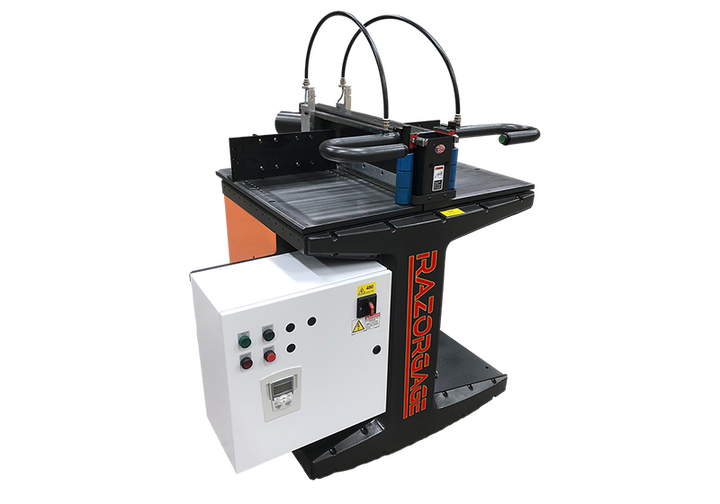
Choosing the best saw for cutting wood is one of the most important decisions a manufacturing team can make. Every workshop, whether small or large scale, depends on precision cutting tools that reduce waste, save time, and improve overall output quality. Professional manufacturers often struggle to identify equipment that balances speed, accuracy, and durability, especially when working with different wood types and thicknesses. This blog explores the key factors that influence cutting performance and helps manufacturers understand what truly makes a cutting solution effective for long term production needs.
Today’s manufacturing units operate with a wide variety of materials, tight deadlines, and a growing demand for high-quality products. Therefore, a cutting tool must meet these stringent requirements to ensure excellent end products while minimizing material waste and meeting deadlines.
A manufacturer must use modern equipment that offers cutting precision to satisfy the high-quality demands of todays’ consumers. Tools provide cutting precision that minimizes finishing operations, resulting in reduced material wastage.
Most manufacturers operate with minimal profit margins and meet stringent deadlines. Thus, they must maximize production while maintaining quality to remain profitable. A fast and efficient cutting machine ensures that producers generate more value using less material in a short time.
Producers usually operate with cutting equipment for extended hours, sometimes under extreme working conditions. Therefore, the machines must be durable to offer long-term value for the invested capital.
Modern manufacturing requires cutting a variety of materials using a single machine at competitive prices. Producers must purchase multipurpose equipment that ensures excellent cutting quality when using different materials.
Contemporary producers use advanced technology in cutting to meet the stringent modern demands for high-quality end products with minimal material wastage. Planning software that comes in handy when determining the best way to cut the material is essential in minimizing material wastage. Planning software works in tandem with the physical cutting machine to ensure minimal waste during cutting.
Safety should be paramount when operating cutting equipment. Manufacturers should invest in cutting equipment that offers excellent safety features to protect the operators from injuries during operation. Such machines should have features that prevent kickback and ensure they operate smoothly without malfunctioning.
Manufacturers must operate within a given budget, and therefore, they should seek to buy the best equipment that offers quality while minimizing production costs. Ideally, the best cutting equipment should offer a good balance between quality and cost.
Proper training enables the operators to utilize the new equipment to its full potential while minimizing damage to the machine. New equipment requires proper handling to ensure it meets its intended purpose while preventing expensive maintenance costs.
Selecting the right cutting equipment involves more than just comparing specifications on paper. Manufacturers must evaluate precision, durability, safety, and cost efficiency together to make an informed decision that supports long term production goals. Alongside physical equipment, many manufacturing units are now exploring saw optimization software to plan cutting patterns more effectively and minimize material waste. Combining reliable machinery with smart planning tools creates a production environment that is both efficient and sustainable, helping manufacturers meet growing industry demands with confidence.
What factors should manufacturers prioritize when choosing cutting equipment?
Manufacturers should focus on precision, durability, material compatibility, and safety features, as these directly influence production quality and operational efficiency.
How does technology improve cutting accuracy in manufacturing?
Digital planning tools help calculate optimal cutting patterns in advance, reducing material waste and improving overall consistency across production batches.
Why is operator training important for cutting equipment?
Proper training ensures operators understand machine functions, safety protocols, and maintenance needs, which leads to better output quality and fewer equipment issues.
Does investing in durable equipment reduce long-term costs?
Yes, durable equipment requires less frequent repairs and replacements, which lowers maintenance expenses and minimizes production downtime over time.
Can one cutting tool handle multiple wood types effectively?
Versatile cutting tools designed for various material densities can handle multiple wood types, reducing the need for separate specialized machines in a manufacturing setup.



