Posted by michael Johnn
Filed in Business 8 views
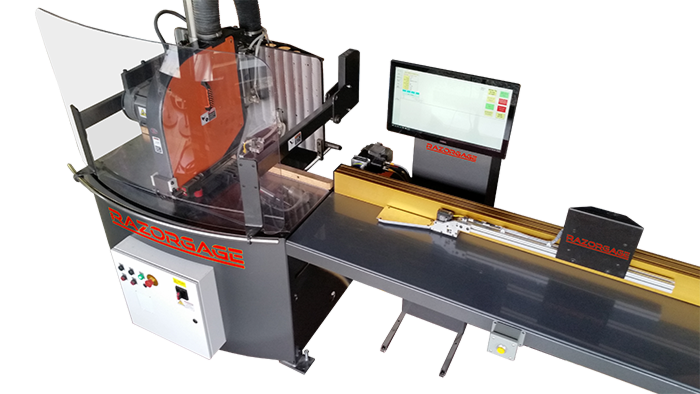
In today’s competitive woodworking industry, precision and efficiency are more important than ever. Businesses are constantly searching for smarter ways to reduce waste, improve productivity, and maintain consistent quality in every project. One of the most effective advancements helping manufacturers achieve these goals is saw optimization software. This technology streamlines cutting operations by calculating the most efficient cutting patterns, minimizing material waste, and improving workflow accuracy. As woodworking demands continue to grow, optimization tools are becoming essential for workshops seeking better operational performance and long-term profitability.
Years went by, woodwork changed a lot. Mistakes happened when people measured by hand, wasted wood that way. Getting things right fast matters more these days if shops want to keep up. Computers stepped in, helping plan cuts smarter than before. Precision jumped once software took over layout work. Time shrinks while results get cleaner, stronger, better made.
Most folks who work with wood struggle to keep materials under control. Cost adds up fast when boards get tossed aside unused. Smart software steps in here, mapping out exact cuts so little gets thrown away. Planning ahead means more pieces come from each plank, less ends up in the bin. Running tight operations like this keeps expenses down, still delivers solid results. Waste drops, savings grow, forests feel a bit safer too.
Woodworking demands accuracy, particularly for bespoke furniture, storage units, or room installations. Mistakes in cutting often cause setbacks, extra work, and material loss. Machines that process data reduce mistakes through precise dimensions and self-guided math tasks. With these tools, output stays uniform over multiple batches, helping workers match tight quality rules without constant oversight.
Woodworking shops run better when tasks flow without hiccups. When planning takes too long by hand, everything gets delayed. Using smart saw programs helps smooth out how cuts are set up. Instead of measuring every piece themselves, workers let systems do the math. This shift means more time making things, not checking numbers. Bigger jobs become manageable, even when details matter most.
One thing clear now - buyers want pieces made just for them, especially when it comes to wooden furniture. To keep up, shops must shift smoothly between different sizes and shapes while sticking to tight plans. With smart tools in place, handling odd measurements or tricky cuts becomes far less messy. Cabinets, shelves, even detailed wall sections - each order changes, yet work keeps moving steady. Because of this ability to adjust fast, folks get what they asked for, every single time. Staying sharp like that? That is how workshops hold their ground when everything else keeps shifting.
Woodworking firms, big or small, keep cost control front of mind. High wages, wasted supplies, or late outputs often hit profits hard. Smarter tools fine-tune how materials and people are used - cutting down costly mistakes. Planning gets quicker too, taking pressure off repetitive jobs so workers shift toward craftsmanship. Little by little, savings build up, firming both balance sheets and daily workflow.
Out of nowhere, machines are reshaping how wood products come together - steady results show up every time. Digital plans plug straight into saws and cutters, linking design to motion without pauses. Instead of slowing down, factories move faster, yet measurements stay razor sharp across every piece made. With more orders piling in, shops keep pace thanks to these upgrades that never slip on detail. Step by step, workshops lean harder into smart tools simply because output matters more today.
Woodworking shifts shape as new factory tech rolls in. When firms choose smarter work methods, they handle what comes next - both market needs and buyer demands - a bit easier. Systems built for growth let output rise while keeping standards steady. With eco-awareness, personal touches, and speed now top of mind, software-driven fixes stay rooted in how shops plan ahead.
Modern woodworking operations require precision, speed, and efficient resource management to remain successful in a competitive market. Advanced optimization technologies help manufacturers improve cutting accuracy, reduce waste, and streamline production workflows. These systems support better decision-making while increasing overall operational efficiency. Integrating innovative solutions such as an automatic pusher system further enhances productivity by automating material handling and improving consistency throughout the cutting process. As technology continues to evolve, woodworking businesses that embrace smart manufacturing solutions will be better prepared for long-term growth and success.
Optimization technology is used to calculate the most efficient cutting patterns for wood materials. It helps reduce waste, improve accuracy, and streamline production processes in woodworking operations.
It automates cutting calculations and layout planning, reducing manual work and minimizing production delays. This allows operators to complete projects faster and with greater consistency.
Yes, these systems are designed to maximize material usage by generating efficient cutting layouts that minimize leftover scraps and improve resource management.
Automation improves production speed, consistency, and efficiency. It reduces human error while allowing manufacturers to manage larger workloads more effectively.
Digital solutions provide better accuracy, improved workflow management, lower operational costs, and greater flexibility for handling customized production requirements.



