Posted by Richa jain
Filed in Business 168 views
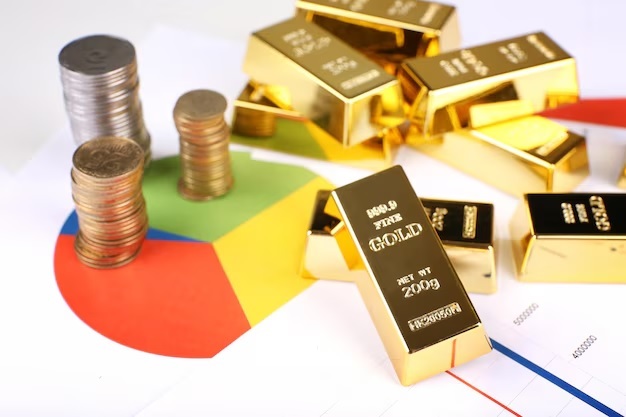
The gold rate in India is currently increasing day by day, reflecting a dynamic interplay of global and domestic factors that are influencing investor behaviour and consumer demand. The steady rise in the gold rate highlights how economic and market forces are converging in the present moment to drive prices higher.
Gold is deeply embedded in Indian culture and investment practices, standing as a symbol of security and prosperity. As prices surge, many Indians keenly watch the gold rate to time their purchases and investments wisely.
Gold prices today are heavily influenced by multiple factors acting simultaneously. Globally, inflation concerns remain high, weakening faith in paper currencies and pushing investors towards gold as a reliable store of value. Economic uncertainty worldwide, including tensions arising from trade disputes and geopolitical conflicts, intensifies demand for safe-haven assets, causing gold prices to rise continually.
India’s domestic market reacts strongly to these global influences. The Rupee currently experiences volatility against the US dollar, which makes imported gold costlier, directly lifting the domestic gold rates. This means the gold rate often shows upward trends reflecting these exchange rate shifts.
Rising inflation in India accelerates gold demand as people seek to protect their wealth. When inflation reduces the real value of cash, gold becomes a popular hedge. Interest rates also remain relatively low, making gold a more attractive alternative to other investments that offer lower returns currently.
At the same time, the Indian economy navigates uncertain waters due to global slowdowns and domestic policy changes. This environment encourages both individual and institutional investors to increase gold holdings, further driving up prices.
The typical surge in demand for gold happens during festivals and wedding seasons, when buying gold is an integral part of celebrations and gifting traditions. These occasions fuel consumer demand for 22-carat gold, traditionally used for jewellery and gifts. This heightened cultural demand contributes significantly to the rising price. For example, in October, as wedding preparations peak across Mumbai and the festive season approaches, the demand for gold surges noticeably. During this period, if you check gold rate in Mumbai, you will notice consistent upward movement, reflecting real-time market reactions to increased purchases of gold jewellery by families. This pattern reflects how cultural practices directly influence market prices.
Recent adjustments in import duties and taxes also play a role in price increments. When the government alters import tariffs or GST rates, it directly affects gold’s retail cost. Traders and consumers adjust quickly, often leading to immediate price hikes.
Meanwhile, investment trends in India show growing interest in gold ETFs, sovereign gold bonds, and digital gold platforms. These investment vehicles increase demand among a tech-savvy and investment-conscious population, contributing to upward pressure on prices.
Furthermore, supply chain disruptions, such as those caused by global pandemic repercussions or logistical challenges, have occasionally tightened gold availability. These constraints, coupled with sustained demand, create an environment where prices climb steadily.
For Indians tracking daily price movements, platforms like Bajaj Markets provide a reliable source where you can look for the ‘22-carat gold rate today’ or the ‘gold rate in Mumbai today’. Such platforms help buyers and investors stay updated amidst fluctuating prices, ensuring informed decisions.
The rising gold prices in India today reflect a complex blend of global economic pressures, currency fluctuations, cultural traditions, government policies, and changing investment patterns. This continual increase is a natural outcome of diverse factors converging simultaneously, influencing both investor behaviour and consumer demand. As gold remains a trusted store of value and a cherished cultural asset, understanding these drivers provides clarity in navigating the market’s movements. By staying informed about these underlying causes, buyers and investors can make more confident, strategic decisions in a market that remains dynamic and sensitive to both local and international developments.



