Categories
Tags
Archives
Blogs » Technology » How Website Design Is Evolving in 2026
Posted by Aregs Technologies Apr 2
Filed in Technology 32 views
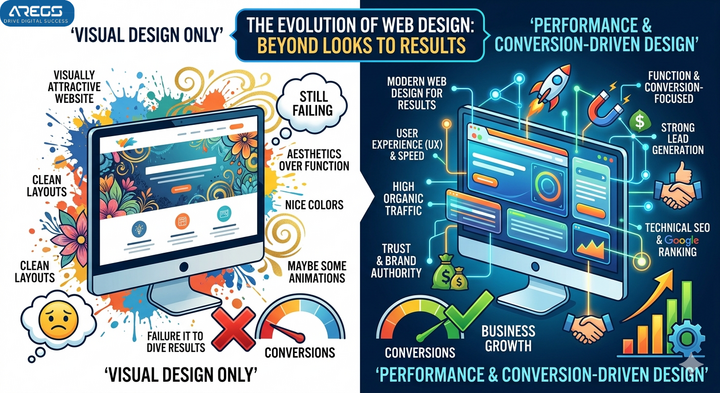
Website design in 2026 isn’t just about how things look—it’s about how intelligently they function. The shift from static pages to dynamic, user-centered experiences has completely changed how businesses approach their digital presence. Companies working with experienced teams—like Aregs Technologies, a website designing company—are already adapting to these changes by building faster, smarter, and more conversion-focused websites from the ground up.
One of the biggest transformations in website design is the rise of AI-powered personalization. Websites are no longer built for a general audience—they’re tailored to individual users in real time. From dynamic content recommendations to personalized layouts, AI analyzes user behavior and adjusts the experience accordingly.
For example, returning visitors might see different content than first-time users. Product suggestions, blog recommendations, and even call-to-action buttons are now customized based on browsing history. According to insights from platforms like Google and Adobe, personalized experiences can significantly increase engagement and conversion rates.
This means designers are no longer just creating pages—they’re designing systems that adapt continuously.
Minimalist design isn’t new, but in 2026, it has evolved into something more strategic. It’s not just about clean layouts and white space anymore—it’s about removing friction. Every element on a page must serve a purpose.
Cluttered designs are being replaced by streamlined interfaces that guide users effortlessly. Navigation is simpler, content is more digestible, and visual hierarchy is sharper. This approach improves not only aesthetics but also usability and performance.
Users today expect instant clarity. If they can’t find what they’re looking for within seconds, they leave. That’s why modern design focuses on clarity over complexity.
Mobile-first design has officially matured into a mobile-dominant mindset. With over half of global web traffic coming from mobile devices, designers are prioritizing smaller screens before anything else.
This shift affects everything—from layout and typography to loading speed and interactivity. Websites are being designed to function flawlessly on mobile, with desktop versions becoming secondary adaptations rather than the primary focus.
Touch-friendly interfaces, fast-loading pages, and responsive elements are no longer optional. They’re expected.
In 2026, performance is design. A visually stunning website means nothing if it takes too long to load. Studies consistently show that users abandon websites that take more than a few seconds to load.
Modern design now integrates performance optimization at every stage. Lightweight frameworks, optimized images, and efficient coding practices are standard. Core Web Vitals, emphasized by Google, continue to play a major role in both user experience and search rankings.
This is where professional expertise becomes crucial. Experienced teams ensure that design and performance go hand in hand, rather than competing with each other.
Static pages are being replaced by interactive experiences. Micro-animations, scroll-triggered effects, and immersive storytelling elements are becoming more common.
These features don’t just make websites look modern—they keep users engaged. Interactive elements guide attention, highlight important information, and create a more memorable experience.
However, balance is key. Too much interactivity can slow down a site or overwhelm users. The goal is to enhance, not distract.
Accessibility is no longer an afterthought—it’s a priority. Websites in 2026 are being designed to be usable by everyone, including people with disabilities.
This includes better color contrast, keyboard navigation, screen reader compatibility, and clear content structure. Beyond compliance, accessibility improves overall usability for all users.
Businesses are realizing that inclusive design isn’t just ethical—it’s practical. It expands reach and improves user satisfaction.
In the past, design and SEO were often treated separately. That’s no longer the case. In 2026, they’re deeply interconnected.
A well-designed website supports SEO through:
Search engines favor websites that provide a strong user experience. This means design decisions directly impact rankings.
Website design in 2026 is smarter, faster, and more user-focused than ever before. It’s no longer just about visuals—it’s about creating seamless, personalized, and high-performing experiences. Businesses that embrace these changes gain a clear competitive advantage, while those that don’t risk falling behind.
The future of web design isn’t coming—it’s already here. The question is whether your website is keeping up.


