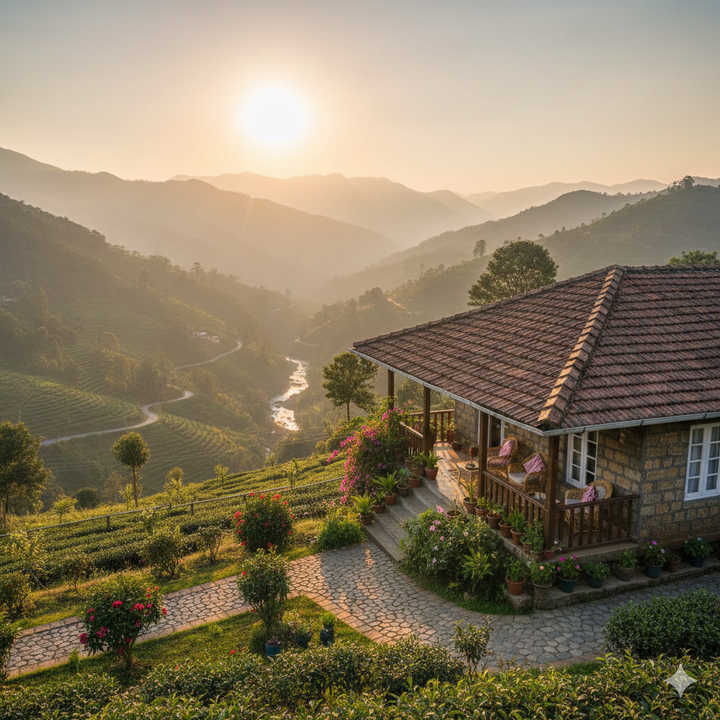
South India is one of the most diverse travel regions in the country. From serene coastlines and misty hill stations to lush tea, coffee, and spice plantations, the region offers a wide variety of landscapes and travel experiences. With travelers increasingly seeking authentic, peaceful, and immersive stays, homestays have emerged as a popular accommodation choice.
A common question many travelers ask is whether they can find beach, hill-station, and plantation homestays under one region. The answer is a resounding yes. Choosing a homestay in South India allows travelers to experience this diversity while enjoying local hospitality, comfort, and cultural richness.
This blog explores the availability of different types of homestays across South India and what makes them ideal for modern travelers.
Homestays are privately owned accommodations where guests stay in homes managed by individuals or families. Unlike hotels or resorts, homestays emphasize warmth, local interaction, and a sense of belonging.
A homestay in South India typically offers:
Comfortable and homely environments
Personalized hospitality
Authentic regional food
Peaceful surroundings
Cultural and natural immersion
South India’s geography makes it uniquely suited for varied homestay experiences across coastal belts, high-altitude hill regions, and fertile plantation zones.
South India is blessed with an extensive coastline along the Arabian Sea, Bay of Bengal, and Indian Ocean. This makes beach homestays widely available and highly sought after.
Beach homestays can be found in several coastal regions, including:
Kerala’s serene coastal villages
Karnataka’s untouched beach stretches
Tamil Nadu’s cultural coastal towns
Andhra Pradesh’s scenic shoreline areas
These homestays are often located within walking distance or a short drive from beaches, offering easy access to the sea without the crowds of large resorts.
Beach homestays in South India usually provide:
Calm and breezy environments
Proximity to beaches and coastal walks
Local seafood and traditional coastal cuisine
Relaxed, slow-paced living
They are ideal for travelers looking to unwind, enjoy sunsets, and connect with coastal lifestyles.
South India is home to some of India’s most beautiful hill stations, nestled in the Western and Eastern Ghats. These elevated regions offer cooler climates, scenic views, and abundant greenery.
Hill-station homestays are commonly found in:
The Western Ghats of Kerala and Karnataka
The Nilgiri Hills of Tamil Nadu
Hill regions of Andhra Pradesh and Telangana
These homestays are often surrounded by forests, valleys, waterfalls, and mountain trails.
Hill-station homestays typically offer:
Panoramic views of hills and valleys
Fresh mountain air and cooler temperatures
Quiet and nature-rich surroundings
Opportunities for trekking, birdwatching, and nature walks
Staying in such homestays allows travelers to escape city life and enjoy peace, solitude, and scenic beauty.
One of South India’s most unique accommodation experiences is plantation homestays. These are located within or near tea, coffee, spice, rubber, or cardamom plantations.
Plantation homestays are widely available in:
Coffee-growing regions of Karnataka
Tea estates of Kerala and Tamil Nadu
Spice plantations across the Western Ghats
These areas are rich in biodiversity and offer immersive rural experiences.
Plantation homestays often provide:
Stay amidst working plantations
Guided walks through estates
Insights into farming and harvesting practices
Fresh, organic meals sourced locally
Tranquil and pollution-free environments
These homestays are perfect for travelers seeking slow travel, eco-friendly stays, and deep connection with nature.
South India’s geographical diversity makes it one of the few regions where travelers can experience beaches, hills, and plantations within a single trip.
Key reasons why homestays in South India are so popular include:
Wide range of natural landscapes
Rich cultural traditions and cuisines
Strong community-based tourism
Emphasis on sustainable and responsible travel
Homestays allow travelers to experience these elements in an authentic and meaningful way.
Homestays offer several advantages compared to conventional hotels and resorts.
Guests interact with locals, learn about traditions, and experience regional lifestyles firsthand.
Hosts often customize meals, activities, and travel advice based on guest preferences.
Homestays typically host fewer guests, ensuring quieter and more relaxed stays.
Many homestays are located in natural settings not accessible to large hotels.
Homestays often provide better comfort and experience at reasonable prices.
Depending on the type of homestay, travelers can enjoy a wide range of activities:
Beach walks, swimming, and coastal exploration
Hill treks, sunrise viewpoints, and forest trails
Plantation tours and nature walks
Local cooking experiences
Cultural interactions and village visits
These experiences add depth and meaning to travel, making stays memorable.
Homestays in South India cater to various travel styles:
Couples: Romantic settings with privacy and scenic beauty
Families: Safe, spacious environments with local interaction
Solo Travelers: Warm hospitality and cultural immersion
Nature Lovers: Access to untouched landscapes
Workcation Travelers: Calm spaces suitable for long stays
This flexibility makes homestays appealing to a broad audience.
The ideal booking time depends on location:
Coastal homestays are popular during winter months
Hill-station and plantation homestays attract visitors year-round
Booking early ensures better choice, especially during peak travel seasons and holidays.
Before choosing a homestay, travelers should:
Check exact location and accessibility
Read guest reviews and ratings
Confirm amenities and house rules
Understand meal and activity options
Communicate expectations with hosts
These steps help ensure a smooth and satisfying stay.
Yes, beach, hill-station, and plantation homestays are widely available across South India, offering travelers diverse experiences under one region. Whether you want to relax by the sea, breathe fresh mountain air, or stay amid lush plantations, choosing a homestays in South India makes it possible to experience nature, culture, and comfort together.
With personalized hospitality, scenic locations, and authentic local experiences, homestays provide a meaningful alternative to hotels. They allow travelers to slow down, connect with surroundings, and explore South India beyond typical tourist routes.
By choosing the right homestay, travelers can enjoy the true essence of South India—one stay at a time.
1. Are beach homestays easily available in South India?
Yes, many coastal regions across South India offer homestays located close to beaches.
2. Can I stay in hill-station homestays in South India?
Yes, hill-station homestays are widely available in mountainous regions of South India.
3. What are plantation homestays in South India?
These are homestays located within or near tea, coffee, or spice plantations offering nature-based experiences.
4. Are homestays in South India suitable for families?
Yes, many homestays provide safe, spacious, and family-friendly environments.
5. Do homestays in South India offer good value for money?
Yes, they often provide better comfort, authenticity, and personalized experiences at reasonable prices.
Read Our Previous Blog-------------> Are homestays in Goa located near beaches?



