Posted by Dial Service Centre
Filed in Business 171 views
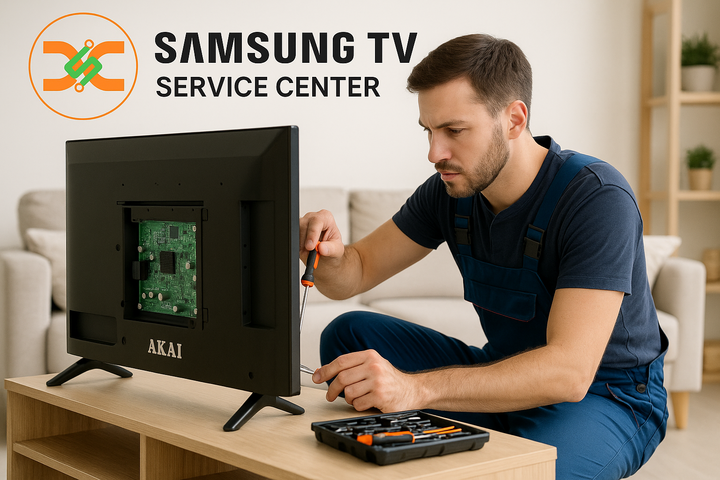
Watching television should be a seamless experience where audio and visuals are perfectly aligned. However, audio-video synchronization issues, often called “lip-sync problems,” can disrupt this experience, making dialogues appear delayed or sound effects out of place. The Samsung TV Service Center offers professional diagnostics and repair services to ensure your television delivers smooth and immersive entertainment.
Synchronization issues can occur due to software glitches, hardware malfunctions, or problems with connected external devices. A professional evaluation ensures the root cause is accurately identified and permanently resolved, rather than relying on temporary fixes.
Audio-video synchronization refers to the precise alignment between sound and visuals on the screen. Ideally, the audio should match the visual content in real-time. When they are out of sync, the sound may lead or lag behind the image, making the viewing experience uncomfortable.
Even minor misalignments can be noticeable during movies, live sports, or gaming. Persistent audio-video sync issues usually indicate a deeper technical problem that requires professional intervention.
Several factors can lead to synchronization issues:
Outdated firmware, corrupted apps, or system bugs can slow internal processing, causing audio to lag or lead visuals.
Soundbars, gaming consoles, set-top boxes, or home theater systems may introduce delays if their audio formats are incompatible with the TV’s processing system.
Selecting the wrong audio output format, such as PCM, Dolby, or Bitstream, can create timing discrepancies, especially when using external devices.
Faulty audio processors, display controllers, or mainboard components can lead to persistent synchronization problems that software updates alone cannot fix.
Authorized service centers follow a structured approach to resolve audio-video delays:
Technicians test the TV with multiple input sources and content types to identify whether the issue originates from software, hardware, or connected devices.
Firmware updates, system resets, and internal calibration are performed to correct software-related delays and processing conflicts.
If software fixes are insufficient, internal components such as audio processors, display controllers, and circuit boards are inspected and repaired or replaced as needed.
For TVs connected to soundbars or HDMI devices, settings are adjusted to ensure proper signal timing and prevent future audio delays.
This method ensures that synchronization issues are addressed at the root rather than temporarily masked.
Television issues may vary depending on environmental conditions, voltage fluctuations, and usage patterns. Specialized repair services in different cities address these regional challenges while maintaining consistent quality.
Technicians provide panel calibration, power board repair, audio-video troubleshooting, and software optimization. Solutions are adapted to local conditions, ensuring reliable and long-lasting performance. Coordination through Dial Service Centre, if required, further ensures a smooth customer experience.
The Samsung TV Service Center in Mumbai specializes in diagnosing and repairing common synchronization issues caused by multiple device connections or long-term usage. Technicians handle HDMI delays, soundbar compatibility problems, and firmware-related processing errors. Advanced diagnostic tools are used to recalibrate internal circuits, restoring proper alignment between audio and visuals for an uninterrupted viewing experience.
The Samsung TV Service Center in Navi Mumbai focuses on smart TV and connectivity issues, including app crashes, Wi-Fi instability, and software glitches. Experts inspect motherboard performance, firmware integrity, and audio-video processing. Repairs are performed as necessary, ensuring long-term stability and smooth performance.
The Samsung TV Service Center in Ghaziabad handles complex technical problems, such as internal board malfunctions, recurring power issues, and advanced audio-video faults. Technicians conduct detailed inspections of audio processors, display controllers, and system firmware. By comparing repair costs with expected performance, customers are guided on whether repair or replacement is the most practical solution.
Professional servicing is recommended if:
Audio delay occurs across multiple channels or apps
Resetting TV settings does not resolve the issue
External devices work correctly on other TVs
Audio lag worsens over time
Visuals freeze while audio continues
Ignoring these signs can lead to further internal damage and increased repair costs.
Authorized service centers provide several advantages:
Accurate diagnosis using specialized diagnostic tools
Safe handling of delicate electronic components
Long-lasting solutions rather than temporary fixes
Optimized performance across multiple input sources
Expert guidance on repair versus replacement
Authorized centers follow Samsung standards, ensuring that repairs maintain your TV’s performance and extend its lifespan.
Audio-video synchronization issues can significantly affect television viewing, but professional service centers provide reliable solutions. Whether caused by software glitches, hardware faults, or external device incompatibility, these problems can be accurately diagnosed and repaired at the Samsung TV Service Center. With structured troubleshooting, precise calibration, and city-specific expertise, users can restore proper audio-visual alignment, enjoy uninterrupted viewing, and maintain the quality and longevity of their television.
Yes, once the root cause is identified, professional repair provides a long-term solution.
Firmware updates often fix software-related delays, but hardware faults may also require repair.
Yes, incompatible or misconfigured external devices can introduce audio delays.
Most synchronization problems are resolved in a single service visit, depending on complexity.
Occasional delays may not cause damage, but persistent issues should be addressed professionally to prevent further faults.
Read Our Previous Blog ---------------> How do I know if my VU TV needs repair or replacement?



