Posted by 900Grados Tequila
Filed in Other 87 views
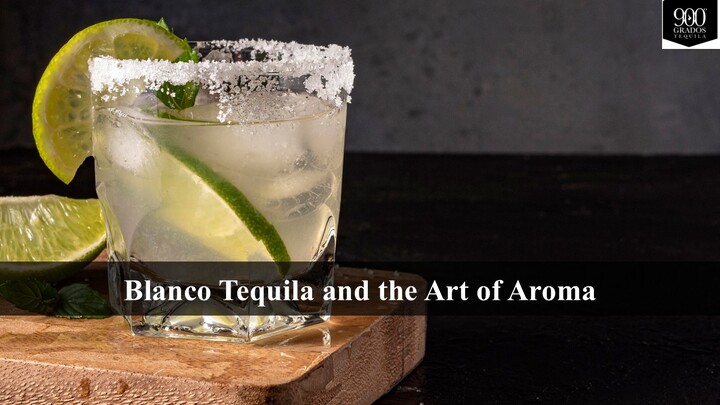
Blanco Tequila delivers pure expressions of agave with bright citrus, peppery spice, and herbal undertones. By exploring the science of aroma, tequila lovers can learn how to identify, appreciate, and savor the unique flavor wheel that defines unaged tequila.
Introduction
Blanco Tequila, also called silver or white tequila, is the purest reflection of the blue agave plant. With little to no aging, it preserves natural aromas that range from citrus zest to peppery spice and herbal freshness. Unlike aged tequilas where oak introduces vanilla or caramel, Blanco shines as a direct expression of agave.
900 Grados – Tequila makers in the USA – highlight the sensory depth of unaged spirits, showing how citrus, herbal, and pepper notes form the backbone of this iconic drink. For enthusiasts exploring Blanco Tequilas in tasting flights or comparing them in Whiskey tasting rooms, understanding aroma is the key to mastering appreciation.
What Creates Aroma in Blanco Tequilas
The Role of Agave
Cooking and Fermentation
Distillation and Resting
The Flavor Wheel of Blanco Tequila
1. Citrus Notes
Bright lime, lemon zest, and grapefruit define Blanco’s crisp identity. These aromas lift the tequila, making it refreshing and vibrant. On the palate, citrus adds liveliness, often appearing in the first sip and lingering with a clean finish.
2. Peppery Spice
Black and white pepper notes give Blanco Tequilas their signature bite. This spiciness balances the sweetness of agave, delivering complexity and backbone. Peppery aromas are often most noticeable mid-palate and in the finish.
3. Herbal and Green Aromas
Fresh herbs, cut grass, and vegetal tones bring depth to Blanco. These aromas ground the tequila, adding dimension and authenticity. Herbal notes often appear after citrus in the glass, providing balance between brightness and spice.
How to Train Your Senses
Preparing for Tasting
Step-by-Step Sensory Process
1. Nose the tequila gently: The first sniff reveals citrus and brightness.
2. Swirl and re-nose: Herbal and earthy tones rise after oxygen contact.
3. Sip slowly: Peppery notes emerge mid-palate, followed by the tequila’s finish.
Mapping the Wheel
Influences on Aroma Expression
Blanco vs Aged Tequilas
Aged tequilas like Reposado or Añejo are shaped by oak, developing vanilla, caramel, and wood-driven aromas. Blanco, by contrast, remains transparent—its citrus, pepper, and herbal qualities untouched. In environments like Whiskey tasting rooms, this contrast is striking: Blanco shows agave’s raw essence where whiskey emphasizes wood-driven evolution.
Choosing and Appreciating Blanco Tequila
A Practical Tasting Example
Imagine comparing two Blanco Tequilas side by side:
Each highlights different aspects of the Blanco flavor wheel, proving how varied yet pure the category can be.
Conclusion
Blanco Tequila is a masterclass in purity and balance, capturing the essence of blue agave without the influence of oak. Its defining notes—citrus brightness, peppery spice, and herbal freshness—are shaped by terroir, fermentation, and distillation. Whether enjoyed neat, in cocktails, or explored at a Premium Tequila Distillery, Blanco Tequilas offer an honest reflection of craftsmanship.
For enthusiasts and newcomers alike, understanding the science of aroma unlocks deeper appreciation. 900 Grados – one of the Premium Tequila Distillers – exemplifies how unaged tequila can showcase complexity and elegance. Sip slowly, nose carefully, and let each aroma tell the story of agave itself.
Useful Links



